01
Preparation gives
Potential
Read the incoming ball, organize the body and racket, move with purpose and arrive balanced enough to choose.
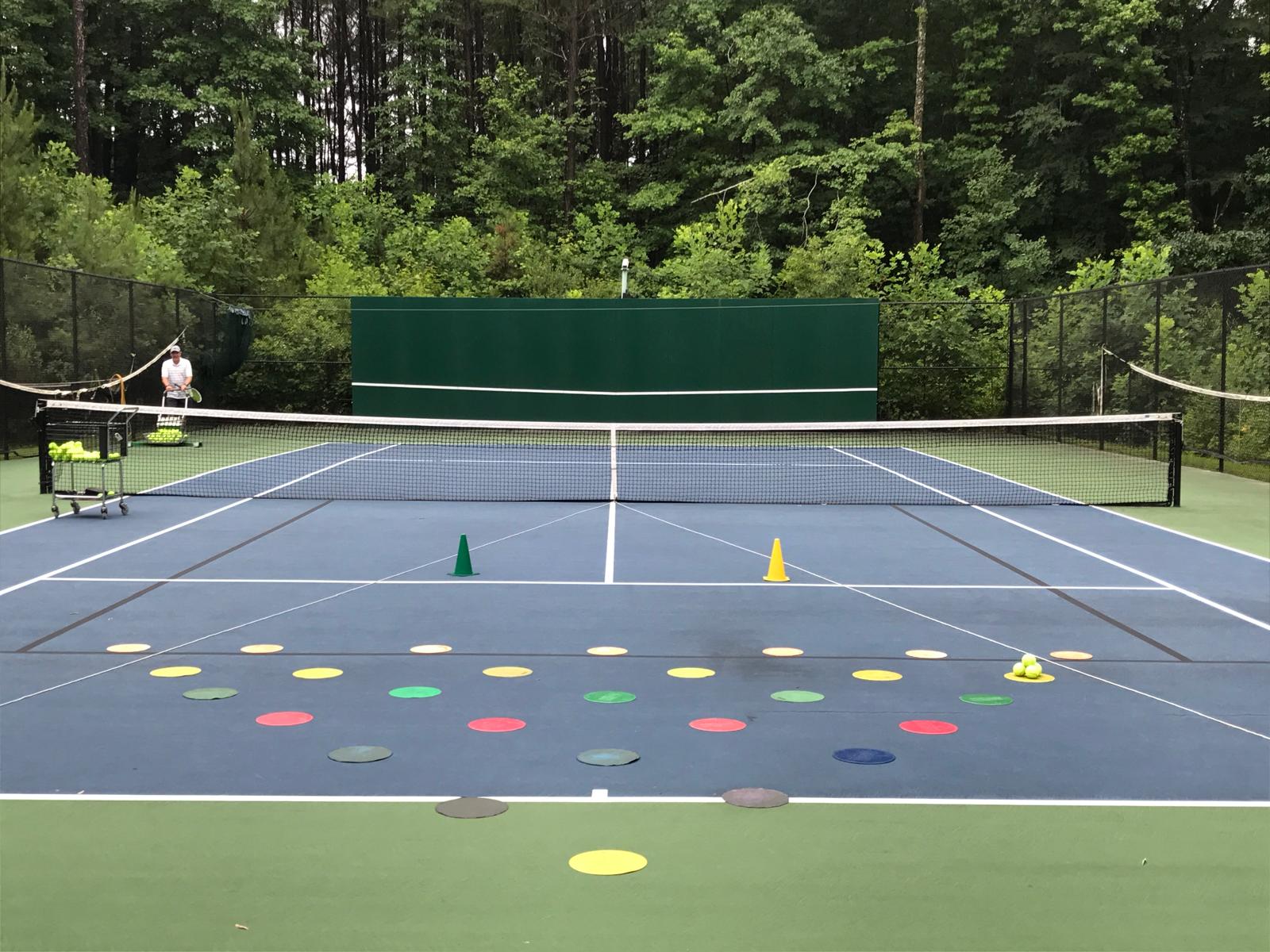
The four keys
PCTV connects what players see, hear and feel before, during and after every shot. The same four habits help them trust sound principles, learn through all their senses and respond to pressure beyond the court.
Preparation gives
Read the incoming ball, organize the body and racket, move with purpose and arrive balanced enough to choose.
Concentration gives
Stay with the present task, release the last point and direct attention to the information that matters now.
Timing gives
Use rhythm, patience and precise spacing so force arrives at the right place and the right moment.
Visualization creates
See the ball’s shape and intended result before committing, so movement becomes clearer and more fluid.
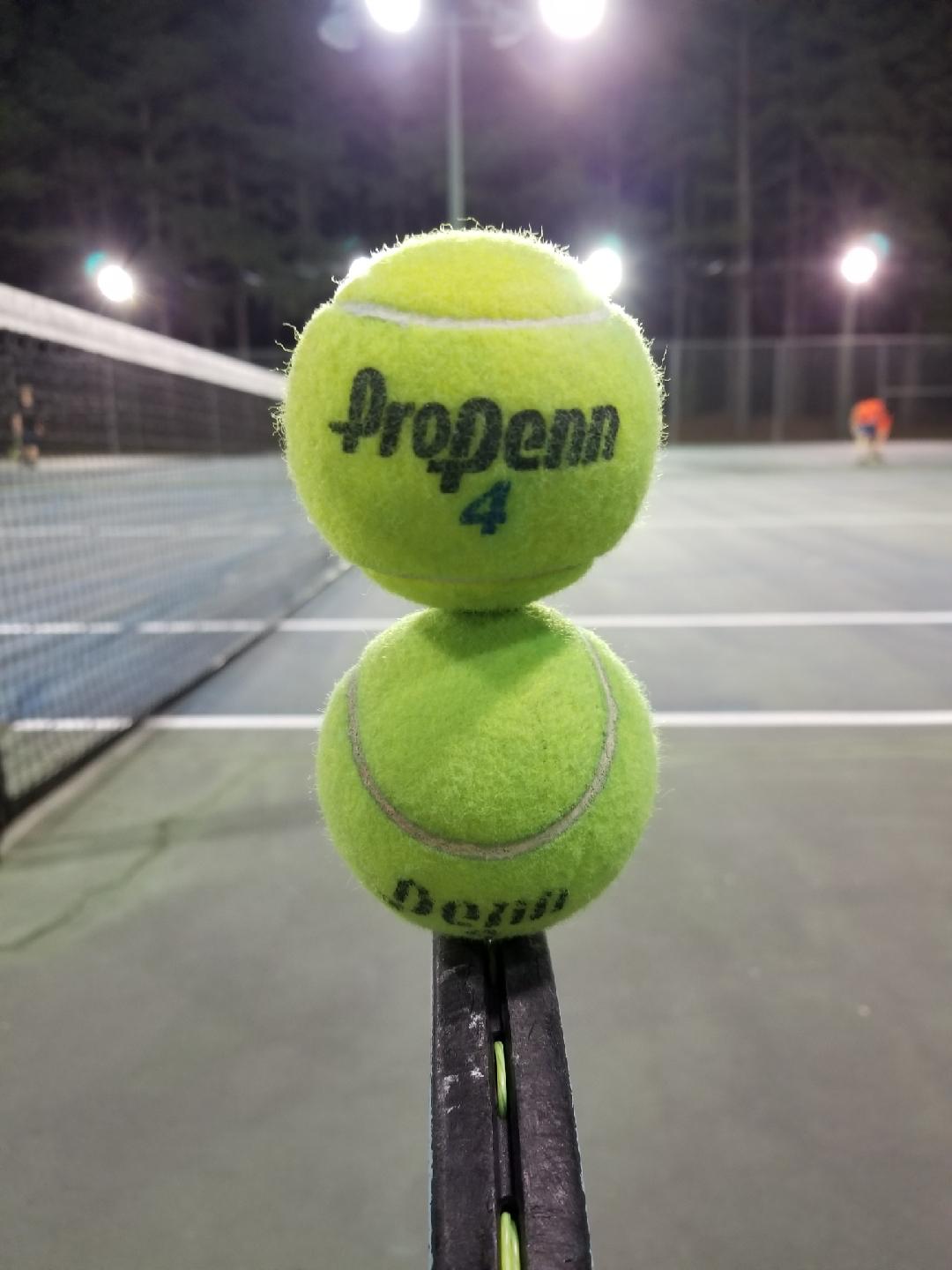
The meeting point
Preparation, concentration, timing and visualization come together at contact.
Point of contact
Stroke development is motor learning, and the live method describes a new motor skill as an 8–12 week process. Sustained, correct repetition trains the contact zone, balance, footwork, spin, touch and feel until the movement can hold up without constant conscious control.
Individual by design
Bodies, experience, goals and learning styles differ. Coaching starts with the player in front of us, then builds the most sound and repeatable movement for that player.
Observe the ball, movement, habits and goals.
Shape grip, preparation, spacing and contact.
Rehearse the right response with purpose.
Use feedback, video and data to verify change.
Transfer the skill into points and matches.
Feedback you can use
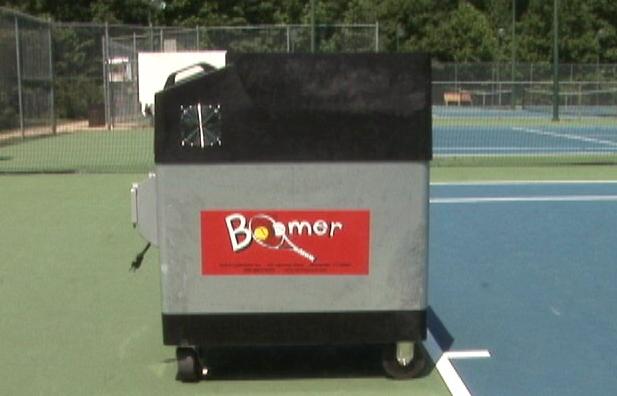
What we can measure
Depending on the player and goal, training may include the reactive Boomer system, Dartfish video, radar, cameras, Billie Jean King’s Eye Coach, backboards and ball machines.
Each tool has one job: make learning clearer and progress visible.
Whole-player development
Technique is only one part. Across 43 components and 13 levels of play, durable improvement comes from developing the body, the ball, the decision and the person together.
Movement, speed, agility, strength, flexibility, conditioning and recovery.
Tracking, racket skills, ball control, strokes, footwork and reliable weapons.
The shot choices and patterns that shape a point in real time.
Game style, surfaces, strengths, opponents and match plans.
Confidence, independence, discipline, focus and emotional readiness.
Adapting to weather, court, noise, pressure and changing conditions.
Create pressure
Adaptable players need more than power. They learn how to change the problem across a rally and choose the response that fits the moment.
Built around the player
The method scales from age three through adulthood and from a first experience with a racket to school, college and professional match preparation. Flexible coaching also supports homeschool and track-out schedules.
Find your program